
Smile, You're on the Record: Is Your Desk the New Reality TV Set?

That little red light you don't see might be the most important one in the room. With the advent of micro audio and video recorders, smaller than a button on your shirt, the age of private conversations at work is over. Think about that for a moment. Every word you utter, every sigh of frustration, could be documented. In New York, it's perfectly legal.
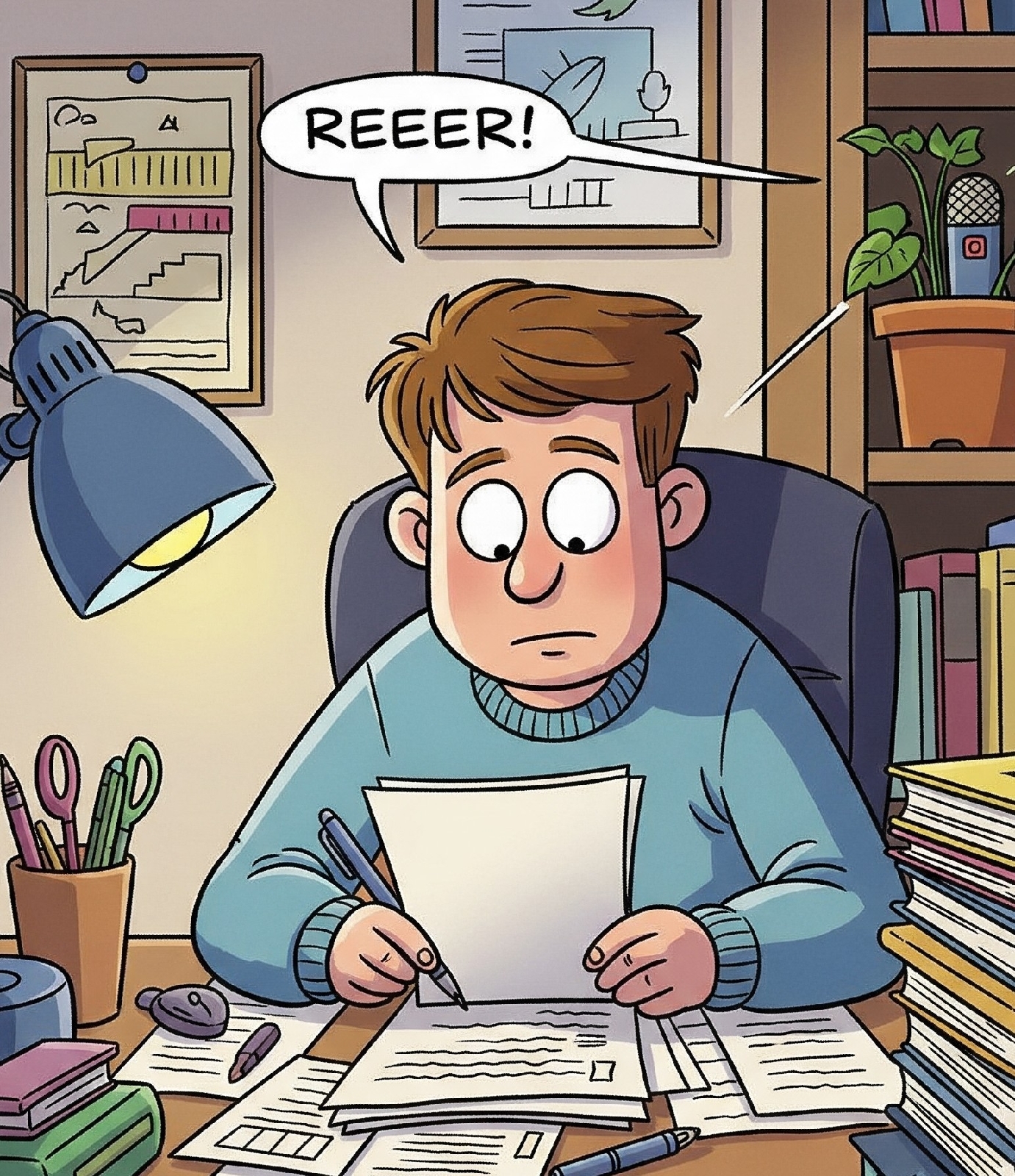
Welcome to the modern workplace, where the old adage "walls have ears" has been upgraded to "your colleague has a high-definition recorder." New York State operates under a "one-party consent" law for audio recordings. This means that as long as the person hitting record is part of the conversation, they don't need your permission to capture every single word. Your consent is not required.

Let that sink in. The disgruntled coworker, the overly ambitious cubicle rival, or even the boss looking for an edge – any one of them can legally create a permanent record of your conversation without your knowledge.

While employers in New York are generally required to notify you about electronic monitoring of company equipment like computers and phones, the one-party consent law opens up a vast gray area for personal recordings. That chat by the water cooler? The lunch break gripe session? The "private" meeting in a conference room? All of it is fair game for anyone with a smartphone or a tiny, inexpensive recording device.

This isn't some far-fetched dystopian scenario. It's the reality of our technologically saturated lives bleeding into our professional spaces. The line between a casual chat and a piece of evidence has never been thinner.

So, what does this mean for you? It means you must operate under the assumption that you are always on the record. Every statement, every joke, every off-the-cuff remark could be scrutinized later. In an era of heightened workplace sensitivity and legal complexities, a thoughtless comment can be twisted and used in ways you never intended.

Is this an invasion of privacy? Absolutely. Is it legal in New York? You bet. The only defense is a proactive one. Be mindful, be professional, and choose your words as if they were being broadcast to the entire office – because one day, they just might be.

Comments

Popular posts from this blog

15 Gang Members Convicted on Conspiracy, Weapons Possession, Firearms Trafficking Charges Case Follows Recent Convictions of 137th Street Crew and East Harlem Narcotics Trafficking Organization

Manhattan District Attorney Cyrus R. Vance, Jr., announced the results of the investigation and prosecution of one of Central Harlem’s most destructive criminal street gangs, referred to as “ONE TWENTY-NINE” or “GOODFELLAS/THE NEW DONS,” which terrorized the neighborhood surrounding West 129th Street between Lenox and Fifth Avenues. Thirteen members of the gang have previously pleaded guilty to importing, possessing, and using firearms over the course of the conspiracy.

The Myth, The Matrix, and The Malpractice: Unpacking the Sophia Stewart Saga

The internet loves a good underdog story, especially one where a lone creator battles Hollywood giants. Few tales have captivated online forums and social media quite like that of Sophia Stewart, the woman who famously sued the creators of The Matrix and The Terminator, claiming they stole her work, "The Third Eye." Her story is a complex tapestry woven with claims of stolen genius, judicial conflicts, and attorney negligence. Let's untangle the legal facts from the compelling narrative and examine the heart of her claims. The Core Allegation: "The Third Eye" and the Blockbusters Sophia Stewart alleged that her copyrighted manuscript, "The Third Eye," conceived in 1981 and finalized in 1983, was the blueprint for two of the most iconic sci-fi franchises: The Terminator (first film 1984) and The Matrix (first film 1999). From her perspective, the similarities were undeniable. Stewart’s supporters often point to broad, impactful themes and ev...

The U-Turn of Candace Owens: From Liberal Critic to Conservative Firebrand

Candace Owens’s career has been defined by one of the most dramatic and controversial political transformations in modern media. In less than a decade, she transitioned from a liberal critic of the Republican Party to a leading voice of the American conservative movement, only to have her time at the top of established conservative media end over a final, divisive shift in rhetoric. Here is a look at the journey that defined her political evolution, culminating in her emergence as a powerful, independent media force. Phase 1: The Anti-Trump Democrat (Pre-2017) Before her political transformation, Candace Owens was known for holding typical liberal views and actively criticizing the Republican Party and its most controversial new figure. Initial Stance: Owens was an outspoken critic of Donald Trump, reportedly publishing articles mocking him and the "bat-s**t crazy antics of the Republican Tea Party." The Turning Point: This initial phase ended following a failed a...