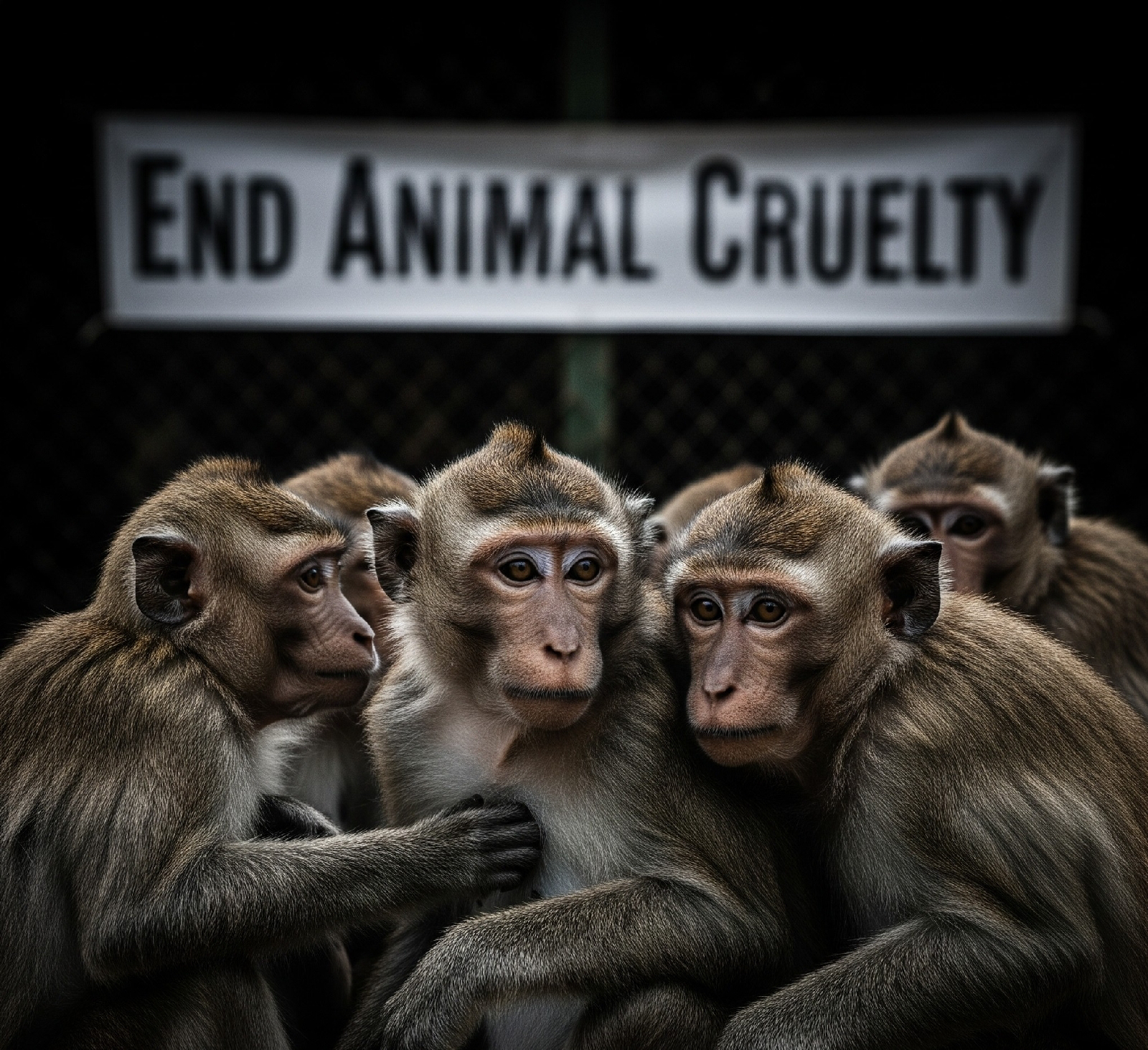
Two Charged in Appalling Online Animal Cruelty Network Involving Torture of Monkeys


A federal grand jury has indicted two individuals, Katrina D. Favret of Tennessee and Robert M. Craig of North Carolina, for their alleged roles in a gruesome online network dedicated to the creation and distribution of videos showing the torture and sexual abuse of monkeys. The indictment, unsealed today, sheds light on a disturbing subculture of animal cruelty.

The charges allege that Favret and Craig conspired with a previously charged individual, Ronald P. Bedra of Ohio, to produce what are known as “animal crush videos.” These videos depict extreme acts of violence against animals for the titillation of viewers. Favret faces additional charges for the creation and distribution of these horrific videos.

According to court documents, the conspiracy extended globally, with the defendants allegedly using encrypted messaging apps to commission and fund individuals in Indonesia to carry out and film the acts of torture. The details of the alleged videos are profoundly disturbing and include the sodomizing of a monkey with a heated screwdriver and the mutilation of another monkey's genitals with scissors.

The investigation was a collaborative effort between the FBI and the U.S. Fish and Wildlife Service (USFWS). Announcing the charges were Acting Assistant Attorney General Adam Gustafson of the Justice Department’s Environment and Natural Resources Division (ENRD), Acting U.S. Attorney Kelly A. Norris for the Southern District of Ohio, Special Agent in Charge Elena Iatarola of the FBI’s Cincinnati Field Office, and Assistant Director Douglas Ault of the USFWS Office of Law Enforcement.

The case is being prosecuted by Trial Attorney Mark Romley and Senior Trial Attorney Adam Cullman of ENRD’s Environmental Crimes Section, along with Assistant U.S. Attorney Nicole Pakiz for the Southern District of Ohio.

This indictment underscores a commitment by law enforcement to pursue and prosecute those involved in the horrific world of animal cruelty, regardless of where the acts are committed.

Comments

Popular posts from this blog

15 Gang Members Convicted on Conspiracy, Weapons Possession, Firearms Trafficking Charges Case Follows Recent Convictions of 137th Street Crew and East Harlem Narcotics Trafficking Organization

Manhattan District Attorney Cyrus R. Vance, Jr., announced the results of the investigation and prosecution of one of Central Harlem’s most destructive criminal street gangs, referred to as “ONE TWENTY-NINE” or “GOODFELLAS/THE NEW DONS,” which terrorized the neighborhood surrounding West 129th Street between Lenox and Fifth Avenues. Thirteen members of the gang have previously pleaded guilty to importing, possessing, and using firearms over the course of the conspiracy.

The Myth, The Matrix, and The Malpractice: Unpacking the Sophia Stewart Saga

The internet loves a good underdog story, especially one where a lone creator battles Hollywood giants. Few tales have captivated online forums and social media quite like that of Sophia Stewart, the woman who famously sued the creators of The Matrix and The Terminator, claiming they stole her work, "The Third Eye." Her story is a complex tapestry woven with claims of stolen genius, judicial conflicts, and attorney negligence. Let's untangle the legal facts from the compelling narrative and examine the heart of her claims. The Core Allegation: "The Third Eye" and the Blockbusters Sophia Stewart alleged that her copyrighted manuscript, "The Third Eye," conceived in 1981 and finalized in 1983, was the blueprint for two of the most iconic sci-fi franchises: The Terminator (first film 1984) and The Matrix (first film 1999). From her perspective, the similarities were undeniable. Stewart’s supporters often point to broad, impactful themes and ev...

Charlie Kirk Was Right, and Charlie Kirk Was Wrong: The Enduring Legacy of the Civil Rights Act of 1964

Charlie Kirk, a prominent conservative commentator, has argued that the Civil Rights Act of 1964 was unnecessary, contending that the 14th Amendment should have been sufficient to guarantee equal rights. There's a compelling argument to be made for both sides of this statement. Let's break down where Kirk was right and, more importantly, where historical context reveals he was profoundly wrong. Where Charlie Kirk Was "Right" (In Theory) Kirk's theoretical point hinges on the idea that fundamental constitutional principles, if interpreted and enforced correctly, should have negated the need for additional legislation. And, in a perfect world, he would be correct. The 14th Amendment, ratified in 1868, explicitly states that "no State shall... deny to any person within its jurisdiction the equal protection of the laws." The intent was to ensure all citizens, particularly newly freed African Americans, were treated equally under the law. If this ...